AI offering
Market leading
Market leading
5x qualitative results
95% efficient
AI-boosted workflows
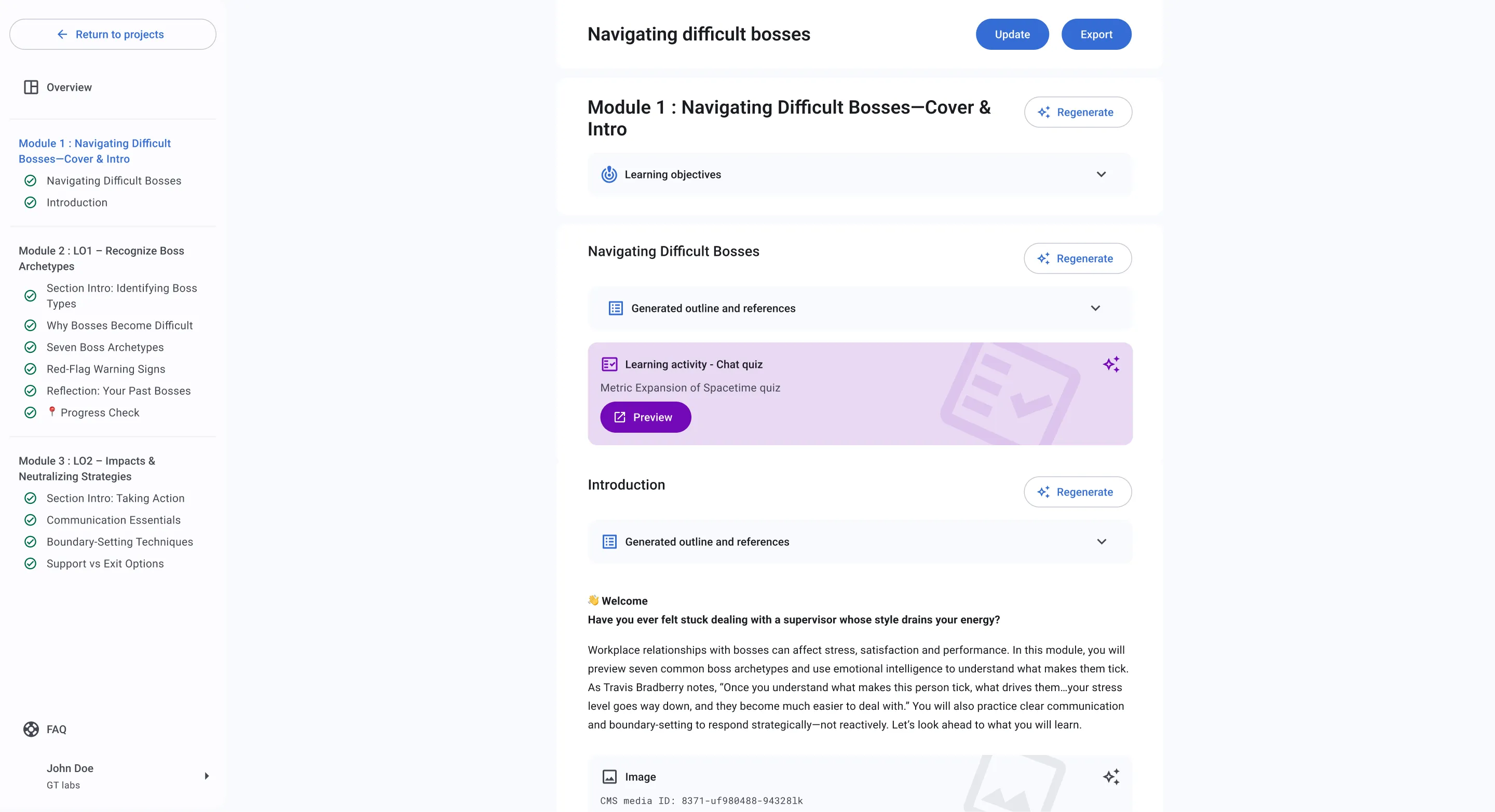
“True scale comes from operations, not just interfaces. We must design the system that builds the product.”
I focused on creating a self-sustaining design engine. By front-loading strategy and automating execution, we allowed the team to navigate complex technical constraints without losing velocity.
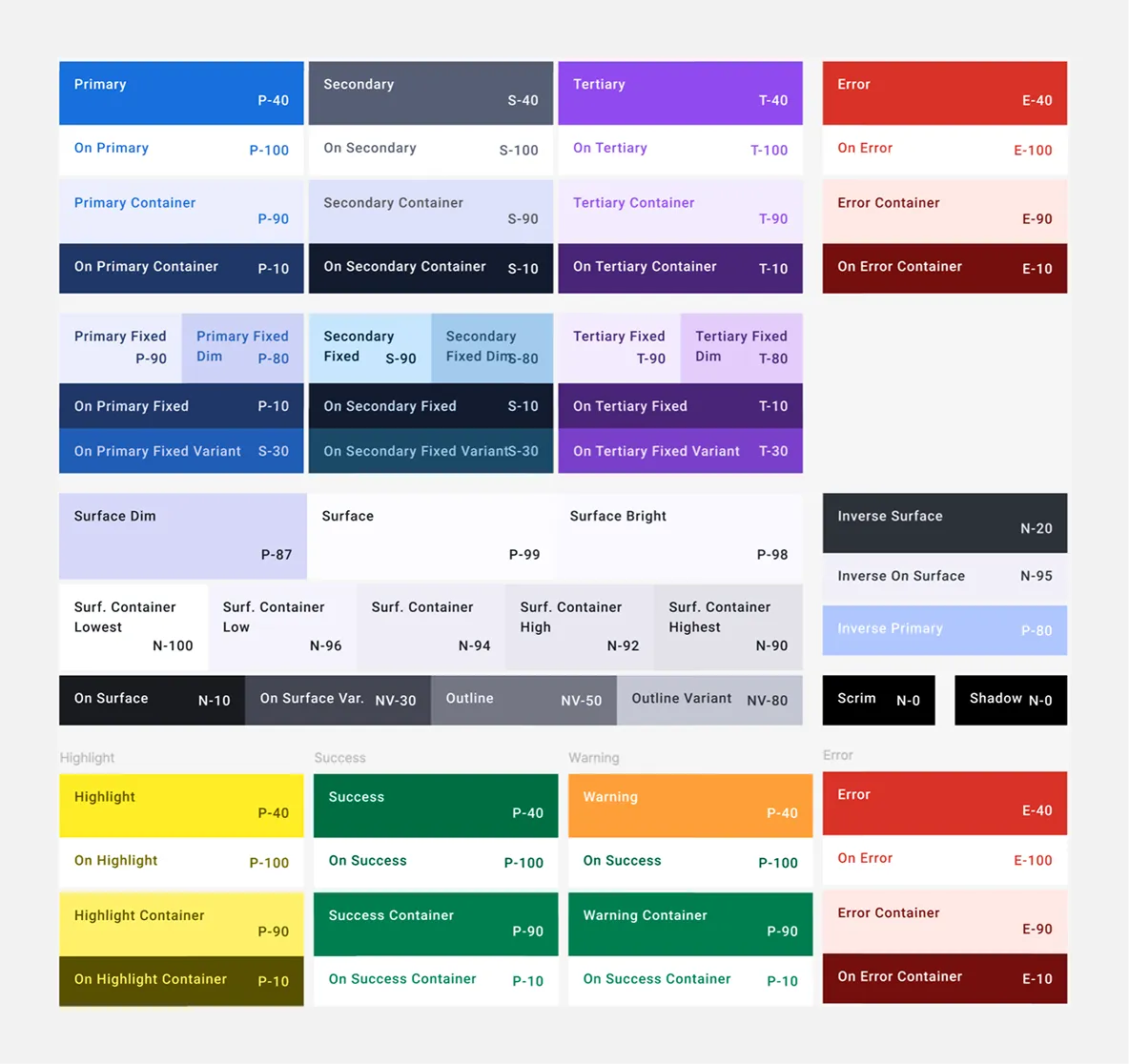
I redefined the core product strategy to focus on long-term value rather than short-term feature parity. By implementing Lean product frameworks, I shifted the organization’s focus toward evidence-based experimentation. This approach allowed us to identify a unique value proposition: integrating AI-driven value to create a future-forward ecosystem that remains competitive years post-launch.
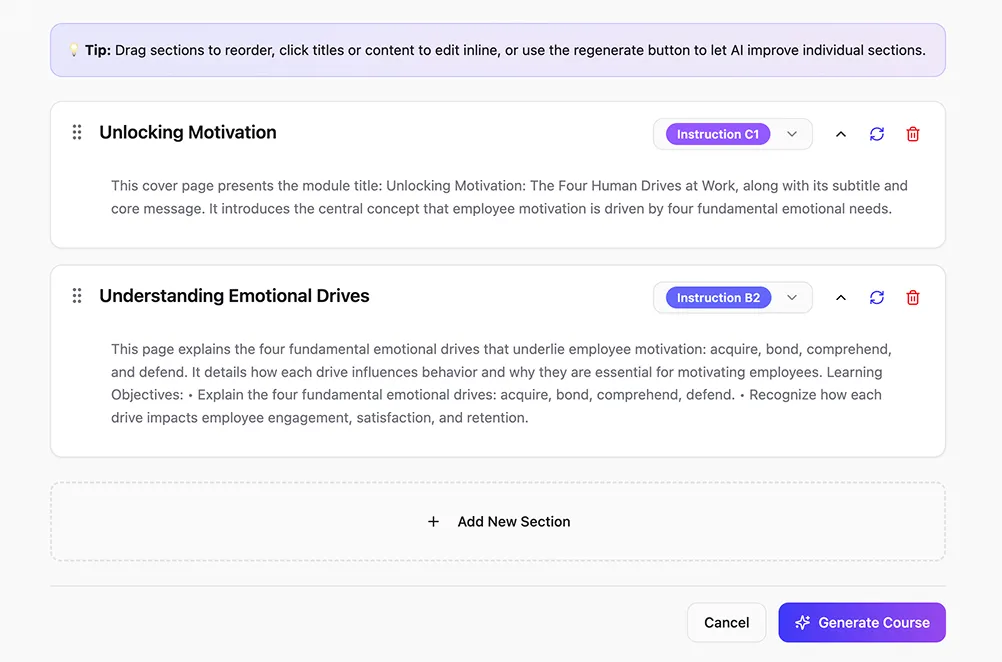
To ensure this vision survived the boardroom, I evangelized design milestones through strategic storytelling. I translated design decisions into business impact, fostering alignment between internal stakeholders and external clients, ensuring resources were secured for critical innovation phases.
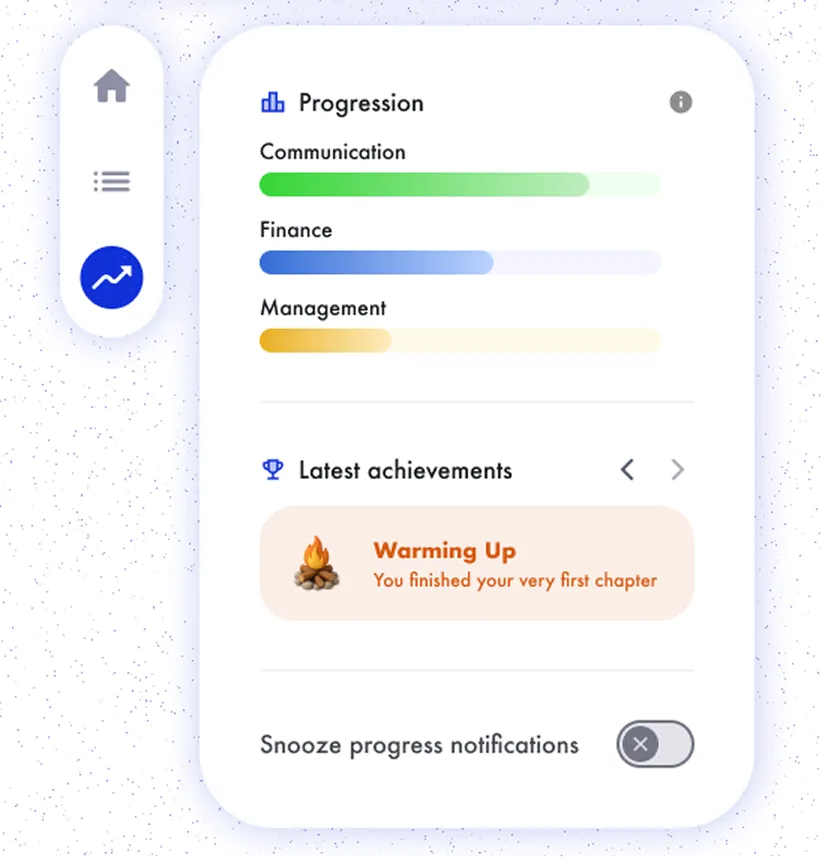
My role covered the entire design spectrum. I led the initial UX research and collaborative workshops to ground our decisions in user needs, moving through low-fidelity wireframing to high-fidelity prototyping. Critically, I ensured the vision didn’t die in handoff. I partnered deeply with engineering, helping developers build and maintain the Design System codebase to ensure strict adherence to accessibility standards and our Angular technical specifications.
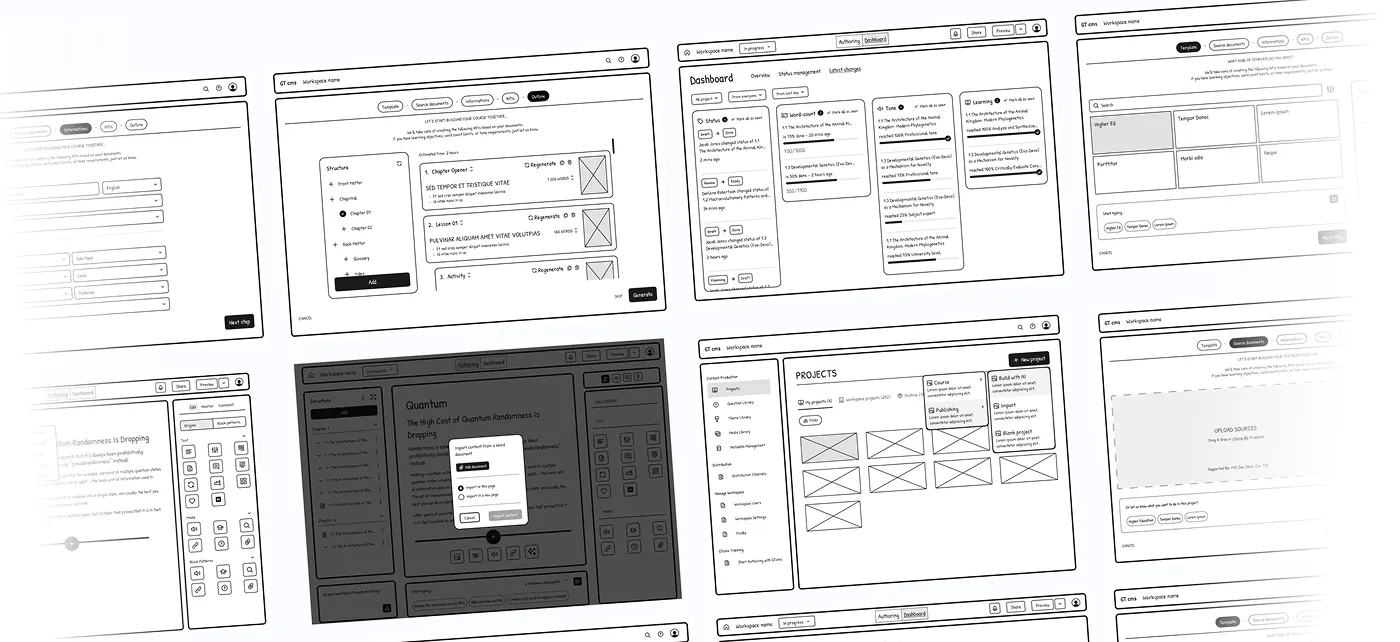
I utilized my personal experience to mentor the team on the creation of advanced features, specifically planning our AI image generation capabilities and diverse probabilistic AI UIs.
During the messy exploration phase, we tested various “AI-native” concepts. I guided the team through these iterations, ultimately rejecting complex interfaces that failed user research in favor of streamlined, accessible solutions. This mentorship ensured we integrated AI not just as a gimmick, but as a core functional value driver.
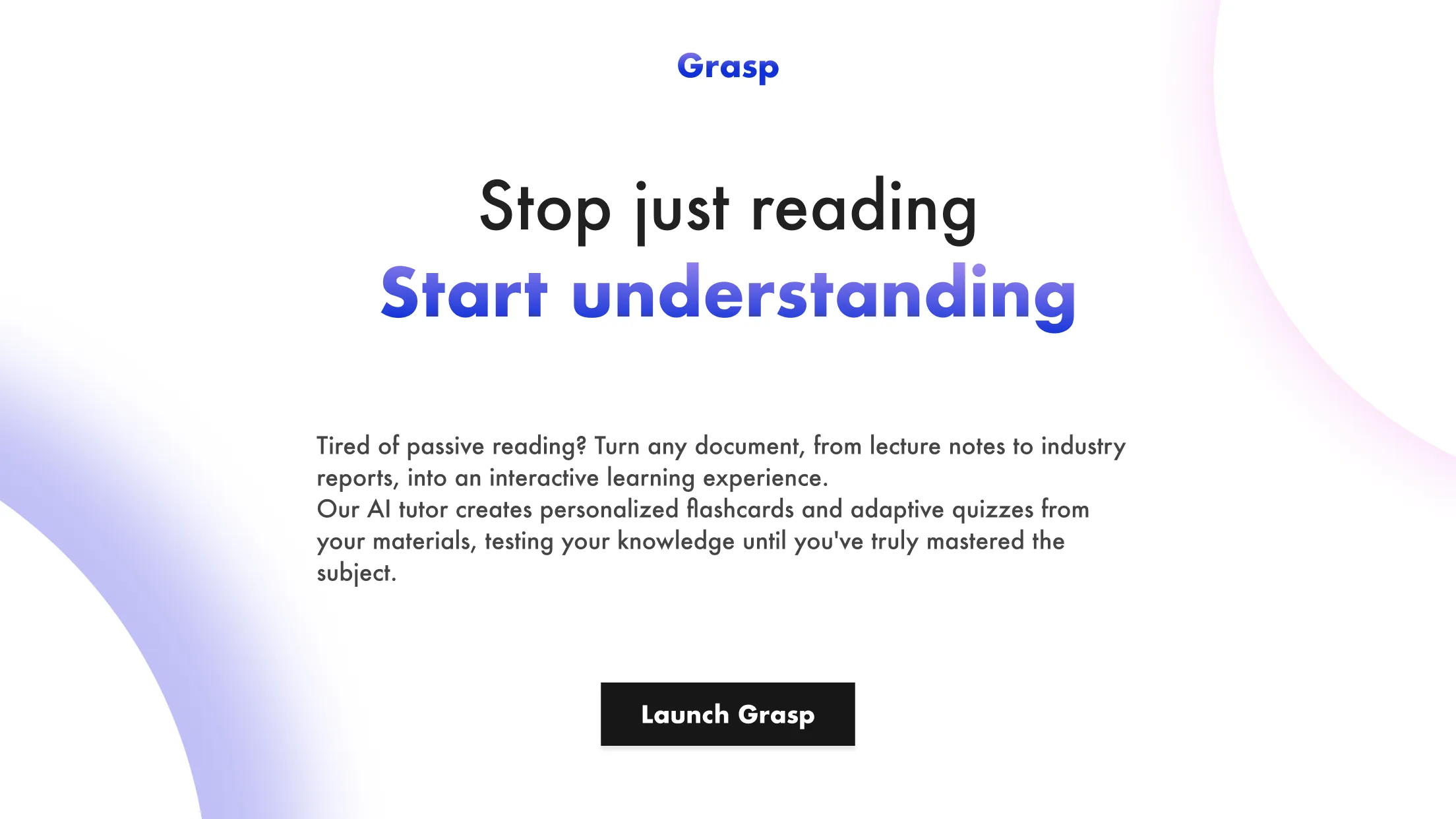
To stabilize the design function, I streamlined leadership operations. I systematized weekly rituals, capacity planning, and retrospectives, which directly increased the velocity and output quality of the wider team.
I also established a centralized Design Knowledge Base on Confluence. This repository captured research insights, specifications, and good practices, acting as an asynchronous mentor for any designer—staff or freelancer—joining the project. This reduced onboarding time and ensured consistency at scale.
Market Dominance & Team Growth
The assessment product launched successfully, securing our position as a best-in-class provider in the B2B and B2B2C sectors. The ecosystem is now fully future-proofed, with AI workflows embedded into the daily operations of the design team.
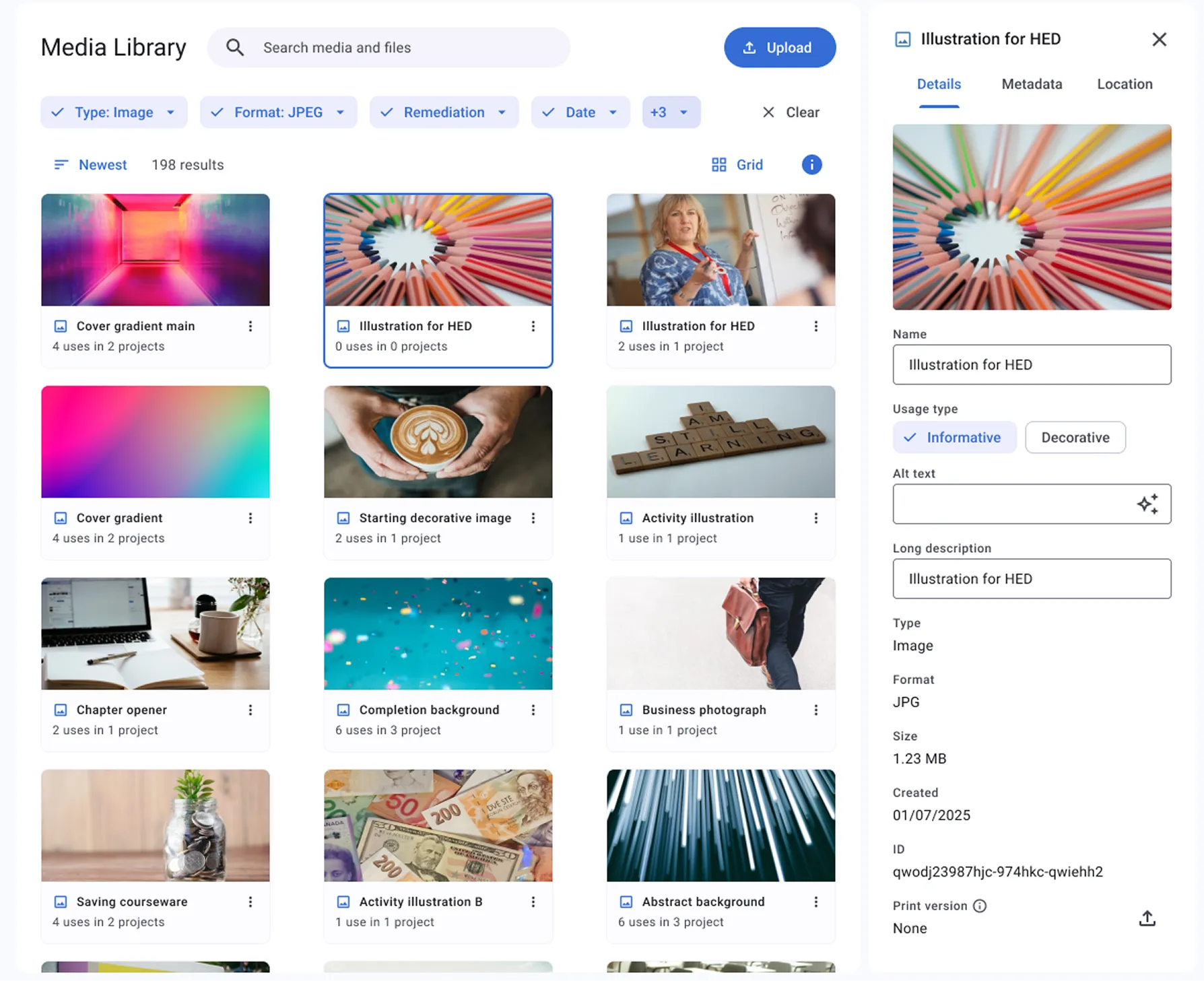
Writing this return on experience, I’m realizing how diverse and influential the work I have done at GT is. I’m proud to have achieved so much in bridging the gap between technical constraints, AI innovation, and human-centric design, and grateful to have been given the opportunity to lead this transformation.